
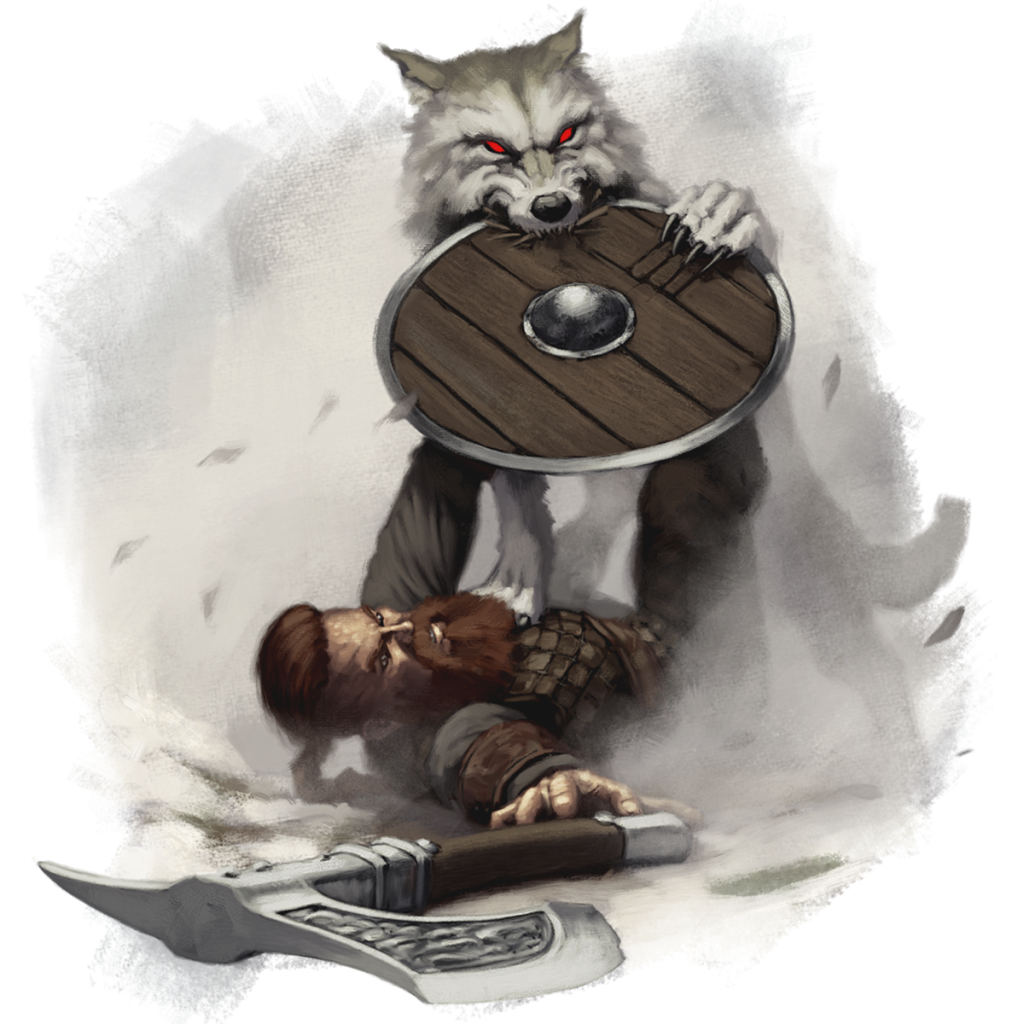
Here’s the hard truth: if your wolves, orcs, and liches all fight like fearless sacks of hit points until they fall over, you’re not running monsters, you’re running target dummies.
Intelligence is the deciding factor in how a monster acts, reacts, and tries not to die.
Ignore it, and every encounter feels the same. Use it, and suddenly the dungeon feels alive and hostile – in the best possible way.
This is a guide to running monsters by Intelligence.
No theory. No fluff. Just behaviour you can apply at the table.
For each tier, think in three phases:
-
-
- General Behaviour: What drives it?
- First Contact: What does it do when the PCs show up?
- Combat: How does it try to survive?
-
This framework is system-neutral but works especially well for old-school play, where morale, reaction rolls, and player ingenuity matter more than perfect balance.
1. Animal Intelligence (INT 1–2)
Examples: Wolves, Giant Rats, Bears, Snakes, Gnat Swarms.
General Behaviour
-
-
- Instincts Only. Driven by hunger, fear, territory, and urge to mate. They don’t plan, they react.
- No Abstractions. They don’t grasp “The Holy Sword of Doom” or “Enemy Adventurer.” They only see “Threat,” “Prey,” or “Obstacle.”
- Energy Hogs. They conserve effort. Risking a fight means burning calories and risking injury. Only the starving or territorial are aggressive.
-
First Contact
-
-
- The Sniff Test. They observe first: circling, sniffing, posturing. This is your chance to use a Reaction Roll.
- Surprise = Flight. They bolt if surprised, badly outnumbered, or if the party looks too healthy.
- The Why. Aggression is simple: they’re hungry, protecting the den/young, or defending a patch of dirt.
-
Crucial Rule: Many Animal encounters should end without rolling initiative. Don’t waste time.
Combat Tactics
-
-
- Tunnel Vision. Focus on one target until it drops, then find the next.
- The First Sting. If the prey fights back effectively, they retreat. They are not heroes.
- No Deep Coordination. They follow pack hierarchy (maybe), but no flanking, no signals.
- Short Pursuit. If the prey leaves immediate range, the animal stops. Dinner ran off, on to the next one.
-
Referee Tip: Animal fights should be fast and brutal. If the combat is a slow grind, the monster’s morale has likely been ignored. End it.
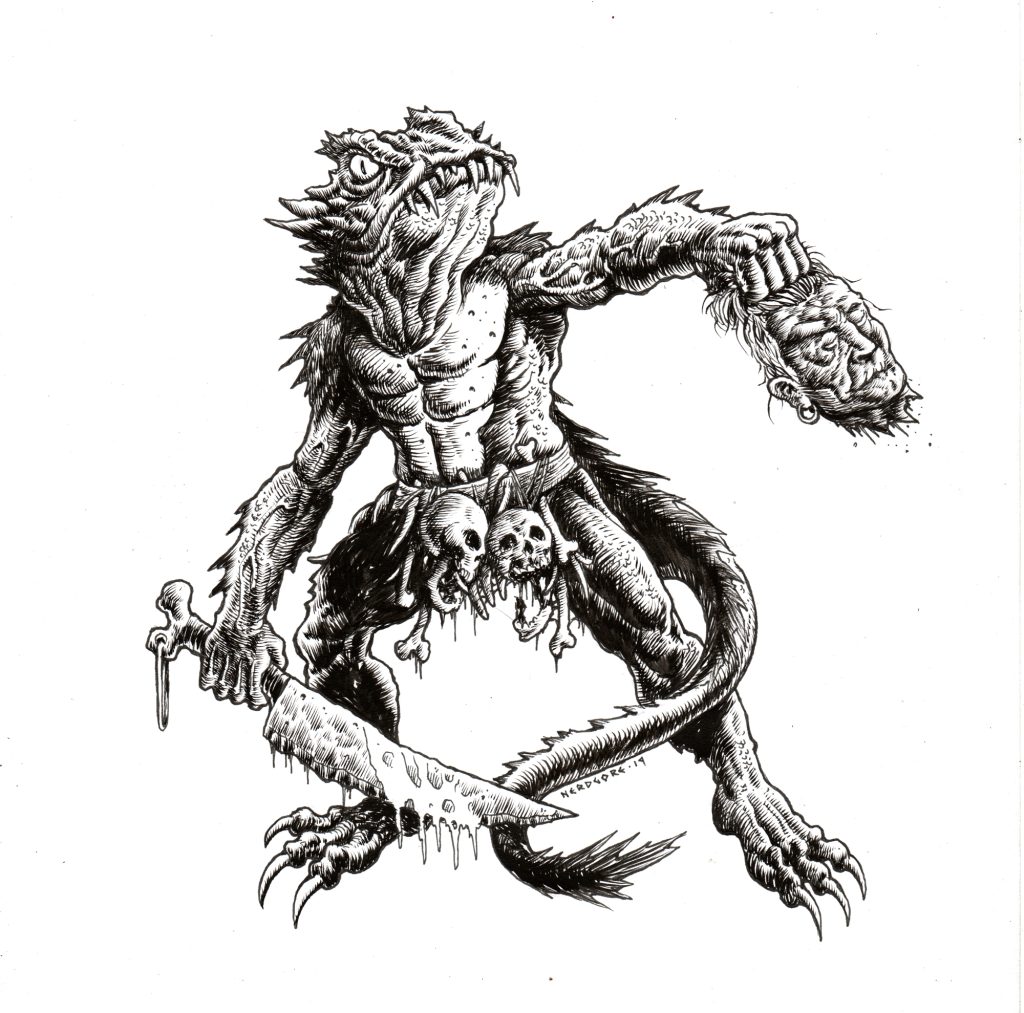
2. Bestial / Low Intelligence (INT 3–5)
Examples: Giant Lizards, Oozes, Ghouls, Animated Constructs.
General Behaviour
-
-
- Simple Drives. They operate on programmed rules or a single, primal drive (e.g., consume flesh, guard this room).
- No Fear. Unnatural creatures (undead, constructs) ignore fear and morale. They are machines.
- Big Animals. Others act like oversized animals with no real capacity to learn from mistakes.
- No Tools, No Chat. They grunt, shamble, and cannot utilize terrain or advanced gear.
-
First Contact
-
-
- The Unblinking Stare. They react slowly or bluntly.
- Provocation. They may ignore the party unless physically touched or if the party moves into their immediate kill-zone.
- Attack on Sight. Unnatural creatures often just attack. That’s what they were made for.
-
For new undead abilities see Issues 6 (Undead) of d12 Monthly. For some new Undead, see Issue 17 (Halloween 2022) of d12 Monthly.
Combat Tactics
-
-
- The Full Commitment. Fight until they are physically destroyed or their programming is disabled. No withdrawal.
- Nearest and Dumbest. Attack the nearest, largest, or most obvious target. No priority matrix.
- Vulnerable to Tricks. Easily stumped by a simple pit, a door being slammed, or a small stream of water. They lack the grey matter to pivot.
-
Referee Tip: These monsters are your dungeon filler. The interest comes from their nature (what they are), not their cleverness (how they fight). They are a test of resources, not wits.
3. Low Cunning (INT 6–8)
Examples: Orcs, Goblins, Lizardfolk, Bandits, basic Cultists.
General Behaviour
-
-
- Simple Thinkers. They think and plan, but their plans are obvious.
- Value Survival. They understand danger, they fear death, and they look out for number one.
- Tools & Hierarchy. They use weapons, shields, basic terrain, and likely follow crude, self-serving leadership.
-
First Contact
-
-
- Ambush or Intimidation. They go for the early advantage: a crude net, a shout, a show of force.
- Gauge the Odds. They quickly eyeball the party. Too many big fighters? Too much shine on the armour? Retreat is a valid option.
- Quick Negotiation. They might try to bribe, threaten, or demand a toll.
-
See the article “DEFCON Dungeons” in Issue 3 (Combat) of d12 Monthly for more information and tactics on how a humanoid lair could react to “invading” PCs.
Combat Tactics
-
-
- Numbers & Terrain. They use what they have. Push from the high ground, try to funnel the PCs into a narrow space.
- Target the Weak. They focus fire on the lightly armoured, the isolated, or the one with the silly hat (who might be the mage).
- Morale Breaks. When their line breaks or the boss drops, they scatter. Run them as cowards, not warriors.
- Leaders First. The boss is typically the first to bail out to save his own neck.
-
See Issue 10 (Monsters) of d12 Monthly for traits you can add to many humanoids like orcs, goblins, and hobgoblins.
Referee Tip: These foes should never fight to the last unless they are cornered, fanatical, or paid a lot. Make them run to alert the rest of the dungeon.
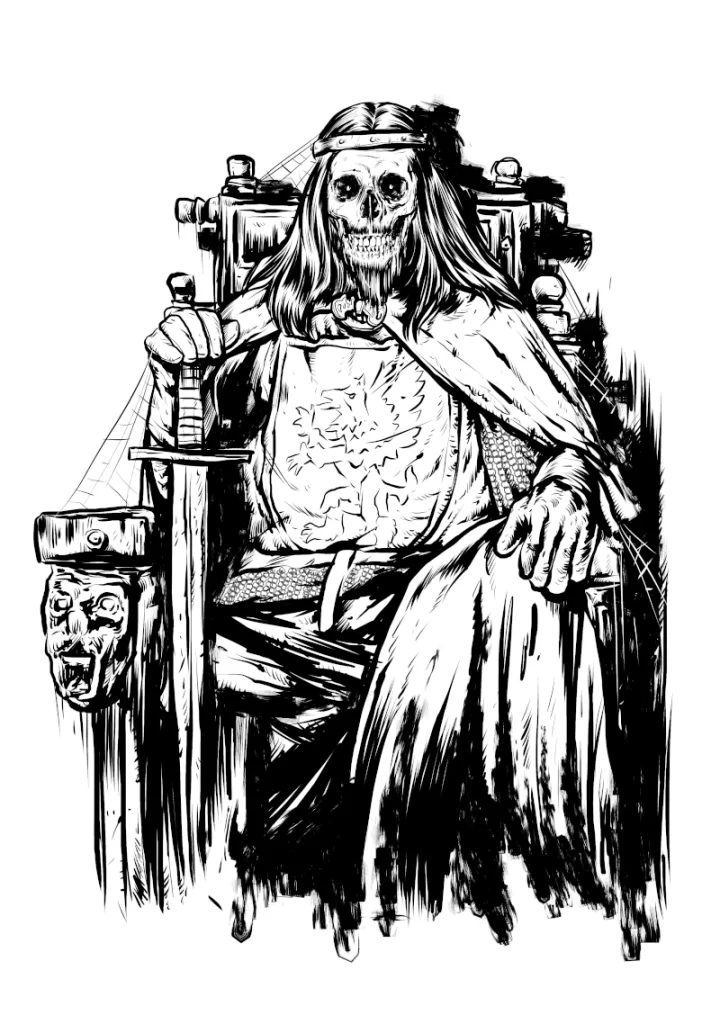
4. Human-Level Intelligence (INT 9–12)
Examples: Humans, Elves, Dwarves, Hobgoblins, intelligent Mercenaries.
General Behaviour
-
-
- Reason, Plan, Adapt. They have goals beyond basic survival. They can be patient.
- Social Creatures. They understand consequences, reputation, and factions.
- Tools of Trade. Diplomacy, deception, threats, and patience are all weapons in their arsenal.
-
First Contact
-
-
- Communicate First. They talk before they fight. Expect lies, bargaining, or testing the party’s boundaries.
- Advantage Stacking. They try to gain a tactical or informational advantage before committing to a fight. They don’t start fair.
-
Combat Tactics
-
-
- Coordinate Fire. They work together. Two flank, one blocks, the archers target the mage.
- Target Selection. They go for the spellcasters and leaders first. Kill the ones who talk or throw fire.
- Planned Withdrawal. They break and run when the fight turns bad. They live to fight another day, possibly with reinforcements.
- Dirty Fighting. They use prisoners, deliberate feints, prepared terrain, and anything else available.
-
Referee Tip: Stop running these like random encounters. Run them as NPC Factions – they should have goals, rivals, and a memory.
See my post on using descriptive word lists for solo sessions to help you flesh out these monsters/factions motivations.
5. Highly Intelligent (INT 13–15)
Examples: Mind Flayers, Rakshasa, Liches, Powerful Hags, Master Vampires.
General Behaviour
-
-
- Chess Masters. They think several steps ahead. They prefer the indirect action.
- Combat is Failure. A straight-up fight is a symptom of their failed plans, not the goal.
- Preparation is Key. They spend their time gathering information and shaping the circumstances to their advantage.
-
First Contact
-
-
- Unequal Footing. The party rarely encounters these creatures face-to-face first.
- Agents and Illusions. They appear through minions, sophisticated disguises, or magical intermediaries.
- The Test. They test the party’s limits and measure their strength without revealing their own.
-
Combat Tactics
-
-
- Escape Routes. Every lair, every meeting place has pre-planned escape routes and contingencies.
- Psychological Warfare. They use terrain, minions, illusions, and spells to sow discord and fear.
- Fight Unfairly. They never take a fair fight. They disengage early and fight again later, better prepared.
-
Referee Tip: If your players kill a Mind Flayer in its first appearance, you played it too simply. They should be a recurring, frustrating shadow.
6. Genius Intelligence (INT 16+)
Examples: Ancient Dragons, Demon Lords, Archmages, Elder Brains.
See Issue 9 of d12 Monthly for more on running Dragons, including Dragon magic, minions they would have, and a Dragon’s lair.
General Behaviour
-
-
- Campaign Scale. They operate on a scale of politics, history, and long-term causality.
- Anticipate the Heroes. They don’t react to adventurers; they anticipate them and prepare counters years in advance.
- No Impulses. Their actions are the result of decades of planning.
-
First Contact
-
-
- On Their Terms. The encounter happens entirely on their terms, usually after the heroes have been funnelled through layers of misinformation.
- Contingency Layers. They have multiple layers of physical, magical, and informational protection.
- Did It Happen? The party may not even realize they’ve encountered the monster – just one of its thousand-year-old pawns.
-
Combat Tactics
-
-
- Absolute Control. They treat the battlefield like a chessboard, using the environment, trapped terrain, and weather as weapons.
- Multiple Plans. They have Plan B, C, and D running simultaneously.
- Pawns are Expendable. They sacrifice minions without hesitation. They don’t care about their bodyguards.
-
Referee Tip: Treat these monsters as campaign elements, not dungeon rooms.
Final Thoughts
Monster intelligence is not about smarter tactics alone – it shapes fear, negotiation, retreat, and story.
A goblin who runs, a dragon who waits, and a lich who never shows up at all are all examples of intelligence expressed through behaviour.
When in doubt, ask yourself:
-
-
- What does this creature want?
- How afraid is it of death?
- Does it believe it will get another chance?
-
Answer those honestly, and your monsters will feel alive long before the dice hit the table.
Over to You
How do you handle various monsters at your table? Do you take intelligence into account? Let me know in the comments below.
While You’re Here…
Since 2021 I have been publishing d12 Monthly, a monthly zine, which has a ton of articles for any edition of Dungeons and Dragons.
Printed copies are available in my store. The PDF is available on DriveThruRPG and you can get both, plus support my work, via my Patreon.
I will also be releasing some more products in the near future.
Feel free to reach out to me on Twitter or my contact page any time.